
Professional Capacity Assessment Services
Compassionate Support When Decision-Making Becomes Complex
There are seasons when families begin to wonder, “Is my loved one still able to safely make certain decisions?” That question can be emotional, confusing, and heavy.
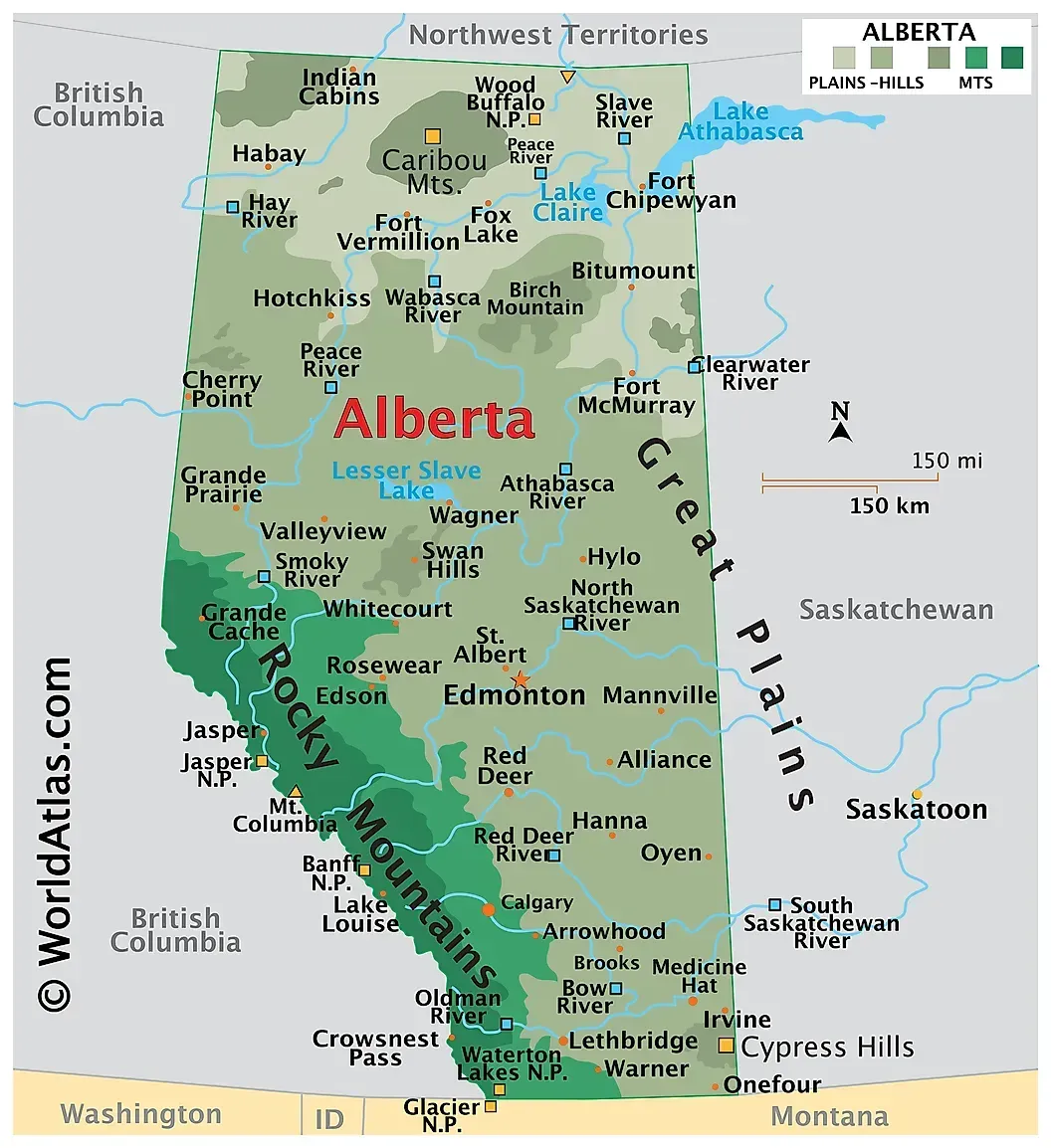
As a Designated Capacity Assessor (DCA) in Alberta, I provide formal adult capacity assessment services limited to the Province of Alberta. My approach is clinically informed, procedurally thorough, and grounded in dignity, respect, and person-centered practice.
I work with families, healthcare providers, legal professionals, and court-related matters when required.
Assessments may be available by special arrangement depending on file complexity, location, travel requirements, timelines, and appropriateness of service.
Services are not available outside the Province of Alberta.

What is a capacity assessment?
A capacity assessment is a structured process used to understand whether an adult can:
Take in and understand the information needed to make a personal or financial decision.
Appreciate the likely consequences of choosing one opinion over another.
In Alberta, a capacity assessment is ordered only when there are legitimate concerns about a person’s ability to make certain decisions. It is not something we do simply because we disagree with, or feel uncomfortable about, the choices someone is making.
If an adult can understand their situation, the options in front of them, and what might happen as a result, they are usually considered capable of making that decision even if others would choose differently.

Why are capacity assessments done?
A capacity assessment can help answer important questions such as:
Is it me to enact a personal directive so an appointed agent can start making personal decisions?
Is a co-decision-maker needed to make decisions together with the adult?
Is a guardian (for personal decisions) or trustee (for financial decisions) required to help protect the person’s well-being and assets?
The assessment doesn’t decide these things on its own, but it provides the clinical opinion the Court and others need to make informed, legally sound decisions.
Remember!
Medical exam comes first.
Before a formal capacity assessment takes place, Alberta requires that a doctor complete a medical exam. This helps ensure the person’s decision-making is not being affected by a temporary or reversible problem, such as:
Acute illness or infection
Delirium or sudden confusion
Medication side-effects
Other short-term medical issues
Only when those factors have been addressed or ruled out does a capacity assessment move forward.

How I approach a capacity assessment
In my DCA work, I am guided by three core principles:
• Dignity first
Every adult deserves to be seen, heard, and treated with respect—regardless of the outcome of the assessment. My approach is calm, compassionate, and trauma informed.
• Support autonomy where possible
Adults have the right to make their own decisions, even if others see those decisions as “risky,” as long as they understand the situation and the consequences. My role is to assess capacity for specific decisions, not to judge lifestyle or values.
• Use the least restrictive opinion
Any recommendation that may impact a person’s legal rights (for example, guardianship or trusteeship) should go only as far as necessary to ensure safety and sound decision making.
What I look for during an assessment
When I meet with an adult for a capacity assessment, I focus on whether they can:
• Understand the facts and information related to the decision
• Weigh the options and risks in a meaningful way
• Explain their reasoning and choices consistently
• Appreciate what could realistically happen based on the decision they make
Capacity is:
• Decision-specific: a person may have capacity for some decisions but not others
• Time-specific: a person’s capacity can change over time
My responsibility is to provide an objective, professional opinion based on the legal standards under Alberta’s Adult Guardianship and Trusteeship Act, while staying anchored in empathy and real-world understanding of the person and their situation.
What you can expect from working with me
When you engage me as a DCA, you can expect:
A structured yet compassionate process
Clear explanation of what will happen at each step
Collaborate with other professionals as needed (physicians, lawyers, care teams)
A formal capacity assessment report using the required Alberta forms
Thoughtful guidance on next steps, while always directing you back to legal and government resources for formal advice or applications
My goal is to help you move from confusion and worry to clarity and a clear path forward—supporting both the adult’s dignity and the family’s peace of mind.

Disclaimer:
The information on this page is general in nature and is not legal advice. For specific questions about guardianship, trusteeship, co-decision-making, or court processes, please consult a lawyer or contact the Office of the Public Guardian and Trustee (OPGT) in Alberta.
Information adapted from the Government of Alberta’s “About Capacity Assessment” and related resources on Alberta.ca.
Join Our Newsletter
Be the first to receive updates, resources, and exclusive content.
At ReNew & Flourish Mental Wellness, we believe that everyone has the power to create the life they desire.
Follow Us:




© 2025 ReNew & Flourish Mental Wellness. All rights reserved.